Mobile Homes For Sale Columbia and Lexington SC!
Mobile Homes For Sale Columbia and Lexington SC!
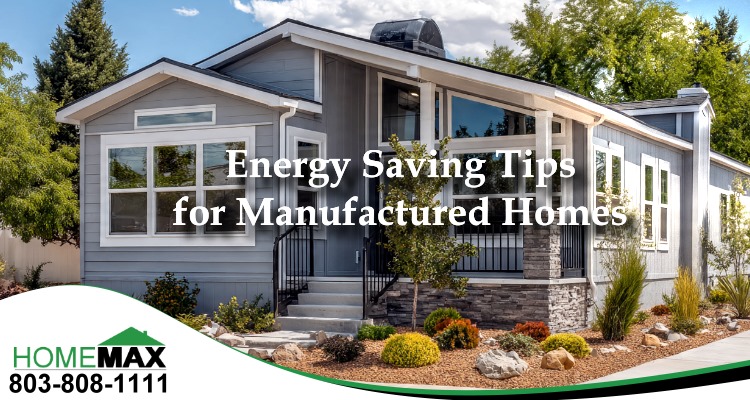
If you own a manufactured home, you have probably wondered at some point how to improve energy efficiency in your manufactured home without tearing everything apart. I get it. Utility bills creep up slowly, then one month you open that statement and think, wait a second, how did we get here?
The good news is that improving manufactured home energy efficiency does not always require a full renovation. In fact, some of the best results come from small, practical upgrades done over time. I have seen homeowners make a few smart changes and notice a difference almost immediately. And honestly, once you start paying attention to where energy is escaping, you cannot unsee it.
If there is one area that makes a huge difference when you want to improve energy efficiency in your manufactured home, it is insulation. Many older manufactured homes were built with minimal insulation, especially in the floors and walls. That means your heating and cooling system is working overtime.
Focus on these key areas first:
Underfloor insulation is a big one. If the belly wrap is torn or sagging, cold air seeps in during winter and cool air escapes in summer. Sealing and replacing damaged insulation can dramatically improve manufactured home energy efficiency. It is not glamorous work, but it pays off.
Air leaks are sneaky. You might not see them, but you definitely feel them. Doors that do not quite close tight. Windows with tiny gaps. Utility penetrations under sinks. All of these add up.
If your goal is to lower utility bills in a manufactured home, sealing air leaks is one of the most cost effective steps. Use weatherstripping around doors and windows. Add caulk to gaps and cracks. Install outlet gaskets on exterior walls. It sounds minor, but reducing drafts directly supports manufactured home energy efficiency.
I have always thought this step is kind of like putting a lid on a pot while cooking. The heat is already there, you just need to stop letting it escape.
Older single pane windows are not doing you any favors. If you really want to improve energy efficiency in your manufactured home, upgrading to double pane vinyl windows can make a noticeable difference.
Now, I am not saying you have to replace every window tomorrow. But if you are planning improvements anyway, energy efficient windows for manufactured homes are worth considering. They reduce heat transfer, cut down on drafts, and help maintain consistent indoor temperatures.
And here is the part people forget, they also help your HVAC system last longer because it does not have to run constantly to keep up.
Your HVAC system plays a central role in manufactured home energy efficiency. If it is outdated or oversized, it may be wasting energy. Newer high efficiency heat pumps or properly sized central systems can significantly lower utility bills in a manufactured home.
Even before replacing anything, check these basics:
Leaky ducts are surprisingly common in manufactured homes. Sealing them can improve airflow and reduce energy waste. It is one of those behind the scenes fixes that makes everything work better.
Smart thermostats are popular for a reason. They help you control temperatures more efficiently and avoid heating or cooling an empty house. If you want to improve energy efficiency in your manufactured home, this is a relatively simple upgrade.
That said, technology only helps if you actually use it. Set schedules that match your routine. Adjust temperatures slightly while you are asleep or away. Even a few degrees can support better manufactured home energy efficiency without sacrificing comfort.
I have seen people install a smart thermostat and never program it. That is kind of like buying a gym membership and never going. The potential is there, but it needs follow through.
Appliances quietly consume a lot of power. Refrigerators, water heaters, washers, dryers, they all contribute to your overall energy use. If your appliances are older, upgrading to energy efficient models designed for manufactured homes can help improve energy efficiency in your manufactured home long term.
Water heaters are especially important. Tankless or high efficiency tank models reduce standby heat loss and lower monthly energy costs. Over time, these savings add up.
This one surprises people. Proper skirting is not just about appearance. It plays a direct role in manufactured home energy efficiency. Well installed skirting reduces airflow beneath the home and protects underfloor insulation.
If panels are cracked, missing, or loose, you are basically inviting outside air under your home. Repairing or upgrading skirting can improve energy efficiency in your manufactured home in a way that feels almost immediate, especially during colder months.
Switching to LED lighting is probably the simplest energy saving tip for manufactured homes. LEDs use significantly less electricity and last much longer than traditional bulbs.
It is not a dramatic renovation. But replacing every bulb with an LED supports manufactured home energy efficiency with very little effort. Sometimes the easy wins are the ones we overlook.
Moisture and energy efficiency are connected more than people realize. Excess humidity makes your air conditioner work harder. Poor ventilation can also damage insulation over time, reducing manufactured home energy efficiency.
Make sure bathroom and kitchen vents are working properly. Consider a dehumidifier if humidity levels are consistently high. Maintaining balanced indoor air supports your overall effort to improve energy efficiency in your manufactured home.
If you are serious about manufactured home energy efficiency, approach it as a gradual improvement process. Start with sealing and insulation. Then move to HVAC upgrades, windows, and appliances as your budget allows.
In my experience, homeowners who take this layered approach see steady improvements in comfort and lower utility bills in a manufactured home over time. It is not about one magic solution. It is about stacking smart decisions.
And here is something worth remembering. Improving energy efficiency in your manufactured home does not just save money. It also makes the home feel better. More consistent temperatures. Fewer drafts. Less noise from the HVAC constantly kicking on. That comfort factor is hard to measure, but you definitely notice it.
At the end of the day, improving manufactured home energy efficiency is really about control. Control over your energy use. Control over monthly expenses. And honestly, a little more peace of mind when the seasons change and everyone else starts complaining about their power bills.
Start small. Fix what you can. Plan for the bigger upgrades. Before long, you will look back and realize your manufactured home runs smarter, costs less to operate, and feels better all year round. That is a win in my book.
HomeMax partners with the top manufacturers in the industry in product quality, value, flexibility, and service.